Directorate of Prisons and Correctional Services ,
Government of Odisha
-
Shri Mohan Charan Majhi
Hon'ble Chief Minister
-
Directorate of Prisons and Correctional Services ,
Government of Odisha
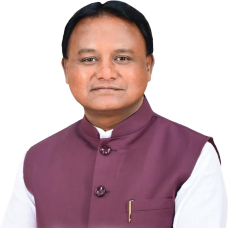
Shri Mohan Charan Majhi
Hon'ble Chief Minister
Prison labour is an important component of correctional systems aimed at rehabilitation, skill development and constructive engagement of inmates. Inmates are generally categorized based on their abilities and the nature of work they perform into skilled, semi-skilled, and unskilled workers.
Skilled Inmates
Skilled inmates possess specialized knowledge or technical expertise, either acquired before imprisonment or through prison training programs. Further, it involves skill or competence acquired through experience on the job or through training as an apprentice or in a technical or vocational institute and the performance of which calls for initiative and judgement.
Semi-Skilled Inmates
Semi-skilled inmates have partial training or basic experience in a particular trade but may not be fully proficient. Further, it involves some degree of skill or competence acquired through experience on the job and which is capable of being performed under the supervision of guidance of a skilled employee and includes unskilled supervisory works.
Unskilled Inmates
Unskilled inmates typically have little or no prior training or experience. Further it involves simple operation requiring little or no skill or experience on the job.
The wages paid to inmates are being revised time to time observing all the guidelines issued by the Labour Department and the good practices adopted by the neighbouring states.
However, steps are being taken for enhancement of wages of the inmates duly observing the guidelines provided by the Labour Department and the good practices adopted by the neighbouring states.